Homeowners in Charlotte who live in older houses often reach a point where a full rewire is the safe move. If lights flicker, breakers trip, or outlets feel warm, the wiring may be past its useful life. For a 2,000 square foot home, the electrical repair cost to rewire depends on access, panel capacity, code upgrades, and finish quality. The figures below reflect what Ewing Electric Co. sees across neighborhoods like Dilworth, Plaza Midwood, Ballantyne, SouthPark, NoDa, and Steele Creek.
What a Full Rewire Includes
A true whole-home rewire replaces old branch-circuit wiring with new copper conductors, installs grounded outlets, updates switches, and corrects unsafe splices. It usually includes new AFCI/GFCI protection where required, smoke and CO detector wiring, and bonding. In many Charlotte homes built before the Ewing Electric Co electrical repair Charlotte mid-1980s, aluminum branch wiring, cloth-sheathed cable, or knob-and-tube all signal higher risk and higher labor to remedy.
If the existing panel is undersized or crowded, the scope often expands to a service upgrade, new panelboard, and possibly a new meter base to meet Duke Energy requirements.
Typical Cost Range in Charlotte for 2,000 Sq Ft
Most 2,000 sq ft homes land between $12,000 and $28,000 for a full rewire in Charlotte. The spread reflects access and finishes more than square footage alone.
- Basic rewire with good attic/crawl access and minimal drywall repair: $12,000 to $16,000. Average rewire in a two-story with moderate drywall work, plus AFCI/GFCI upgrades: $16,000 to $22,000. Complex rewire with tight access, plaster walls, or many finished spaces: $22,000 to $28,000+. Add a 200-amp service and new panel if needed: usually $2,500 to $5,500 extra, depending on meter location, trenching, and utility coordination.
These ranges assume standard devices and trim. Designer switches, smart dimmers, and decorator plates add cost. Permits and inspections in Mecklenburg County are included in Ewing Electric Co. proposals unless noted.
Why Some Homes Cost More Than Others
Access dictates labor. A ranch with a roomy attic and open crawl takes fewer man-hours than a two-story with tight chases. Plaster walls slow fishing and patching. Brick exteriors complicate new exterior runs. Every bend and blockage adds time.
Current code upgrades also matter. Older houses often lack sufficient circuits for kitchens, baths, and laundry. In a proper rewire, circuits are added to meet today’s load and safety standards. That means more homeruns to the panel, more arc-fault protection, and more devices.
Panel and service size affect budget. Many older Charlotte homes still run on 100 amps. A modern 2,000 sq ft home with HVAC, microwaves, and charging needs often benefits from 200 amps. If the service drop, meter base, and grounding need work, the electrical repair cost rises, but reliability and resale value improve.
Signs a Full Rewire Is the Right Move
Some issues can be repaired at the device level. Others point to systemic wiring problems.
- Frequent tripping on light loads, especially with no obvious cause. Two-prong outlets, mixed with a few three-prong outlets that are not grounded. Aluminum branch wiring, brittle cloth insulation, or visible knob-and-tube in attic or crawl. Burn marks, buzzing switches, or warm outlets. Home inspection reports listing widespread “open grounds,” “double taps,” or mixed wiring methods.
If three or more of these show up, a whole-home plan is usually more cost-effective than piecemeal fixes.
How Ewing Electric Co. Builds a Charlotte-Specific Estimate
Every house in Charlotte has quirks. Ewing Electric Co. starts with a walkthrough. The team checks attic height, crawlspace clearance, wall types, panel capacity, and the number of existing circuits. Kitchens and bathrooms get special attention because of GFCI and load requirements. The estimator factors HOA rules in SouthPark condos, narrow lot constraints in Dilworth, or older plaster and lathe in historic districts.
The proposal outlines circuits by area, panel work, device counts, patching expectations, and the permit process. Clear scope prevents scope creep, which is a common reason electrical repair cost shoots up mid-project.

Timeframe and Living Through a Rewire
Most 2,000 sq ft homes take 5 to 10 working days for the electrical, then a few extra days for drywall patches and paint if the owner chooses to combine trades. Two-story houses trend longer. Ewing Electric Co. stages work so the home is safe each night. Temporary power is planned with the homeowner, and life-safety devices are active as early as possible. Pets and alarm systems are part of the plan.
Where Money Goes: Labor, Materials, and Patching
Labor is the largest portion. Fishing new cable through existing walls is careful work. Materials include copper NM-B cable, arc-fault and ground-fault breakers, tamper-resistant receptacles, switches, boxes, staples, and bonding hardware. Specialty items like smart dimmers and whole-house surge protection add line items.
Drywall and paint are separate in many cases. Some homeowners prefer to use their painter to save costs or match finishes. In plaster homes, patching takes longer and is billed accordingly. Ewing Electric Co. explains patching responsibilities in writing before work starts.
The Panel Question: Replace or Keep?
If the home has a Federal Pacific, Zinsco, or Pushmatic panel, replacement is almost always recommended for safety. Even with newer panels, overcrowding and a lack of AFCI space can trigger an upgrade. A clean, labeled, code-compliant panel is a selling point in Charlotte’s active market, especially in neighborhoods with frequent inspections for renovations.
Permits, Inspections, and Code in Mecklenburg County
Permits protect the homeowner and the contractor. Mecklenburg County Code Enforcement reviews plans when needed and inspects rough-in and final. Expect at least two inspections. Homes in historic districts may require coordination with the Historic District Commission for exterior meter moves or visible changes. The schedule accounts for these steps so you are not stuck in limbo waiting on paperwork.
Ways to Control Cost Without Cutting Safety
Saving money without risking safety comes down to planning and choices.
- Group device styles. Using standard white devices and plates reduces material costs and keeps replacements simple. Approve a clear device count. Extra three-way switches, undercabinet lights, or niche outlets add up. Decide early where they matter. Combine projects. If you plan a kitchen remodel soon, running those circuits during the rewire saves trips and patching. Provide access. Clear attic paths, move storage, and grant crawl access before the crew arrives. Labor hours drop when spaces are ready. Limit change orders. Every midstream change affects material runs and inspection timing.
Financing, Insurance, and Resale Considerations
Some insurers in Charlotte price premiums higher for homes with outdated wiring. A documented rewire can help on renewals and during home sales. If a claim relates to outdated wiring, insurers can push back. A permitted rewire with receipts and inspection records supports you.
For financing, many homeowners use home equity lines or renovation loans. Ewing Electric Co. can phase work, starting with the highest-risk areas if budget requires. That said, partial rewires leave mixed systems in place, which can delay the long-term benefits.
Example Scenarios From Charlotte Homes
A 1965 ranch in Madison Park with good attic access and drywall walls: full rewire at about $15,500, completed in six working days, no service upgrade, minimal patching.
A 1940 bungalow in Plaza Midwood with plaster walls and a cramped crawl: rewire at $24,000, plus a 200-amp panel and new meter base for $4,200. Timeline stretched to nine working days due to plaster repair and tight chases.
A 1990s two-story in Ballantyne with a mix of grounded and ungrounded circuits and a crowded 150-amp panel: rewire focused on kitchen, baths, and bedrooms, plus panel replacement, total around $19,800. Homeowner chose standard devices and deferred specialty lighting to stay within budget.
What to Expect During the Bid and Build
The process begins with a site visit and a written scope. Pricing is fixed on the agreed layout. The schedule sets dates for rough-in, inspection, and trim. The crew protects floors, cuts clean access holes, and labels circuits. At the end, the homeowner receives an updated panel schedule and documentation for insurance and resale.
If hidden issues appear, such as active knob-and-tube buried behind insulation, the team reviews options on the spot, prices the delta, and keeps the project moving. Direct communication prevents surprises.
Why Rewiring Can Be the Better Value
Piecemeal repairs can look cheaper. Replacing a few devices, pigtailing aluminum, or adding a GFCI at the first outlet might pass a quick test. The risk remains in the walls. For families planning to stay in their Charlotte home, a full rewire provides safer circuits, cleaner grounding, and fewer nuisance trips. It also supports EV charging, heat pumps, and modern appliances. Over time, fewer service calls and a stronger resale story often offset the initial electrical repair cost.
Ready for a Precise Number for Your House?
Every home is different, even at the same square footage. Ewing Electric Co. provides clear, line-by-line estimates for Charlotte, NC addresses, with permit fees, panel options, and patching notes spelled out. Homeowners in Dilworth, South End, Huntersville, Davidson, and Matthews can expect accurate pricing after a short visit.
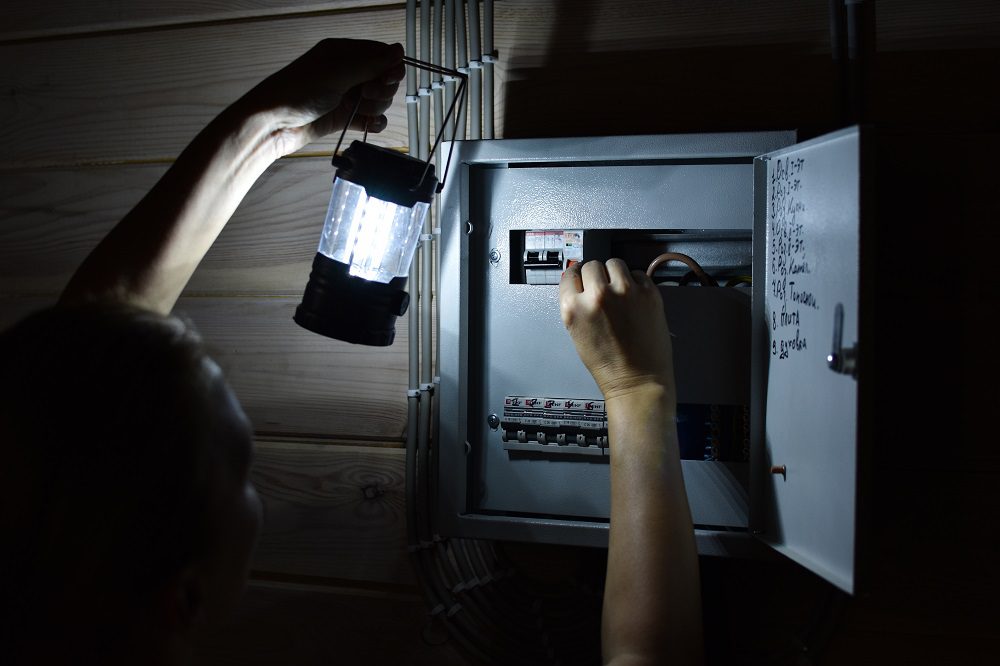
Call Ewing Electric Co. to schedule an on-site assessment, or request a quote online. A licensed electrician will explain the options, give a realistic budget, and plan the work so your home stays functional while the upgrade happens.
Ewing Electric Co provides dependable residential and commercial electrical services in Charlotte, NC. Family-owned for over 35 years, we handle electrical panel upgrades, EV charger installation, generator installation, whole-home rewiring, and 24/7 emergency repairs. Our licensed electricians deliver code-compliant, energy-efficient solutions with honest pricing and careful workmanship. From quick home fixes to full commercial installations, we’re known for reliable service done right the first time. Proudly serving Charlotte, Matthews, Mint Hill, and nearby communities.
Ewing Electric Co
7316 Wallace Rd STE D
Charlotte,
NC
28212,
USA
Phone: (704) 804-3320
Website: https://ewingelectricco.com/ | Google Site
Social: Facebook | Instagram | Twitter
Map: View on Google Maps